Compute
What algorithm, workload and measurement unit does the device support? A headline figure has meaning only with its test conditions.
HARDWARE DESK / 2026
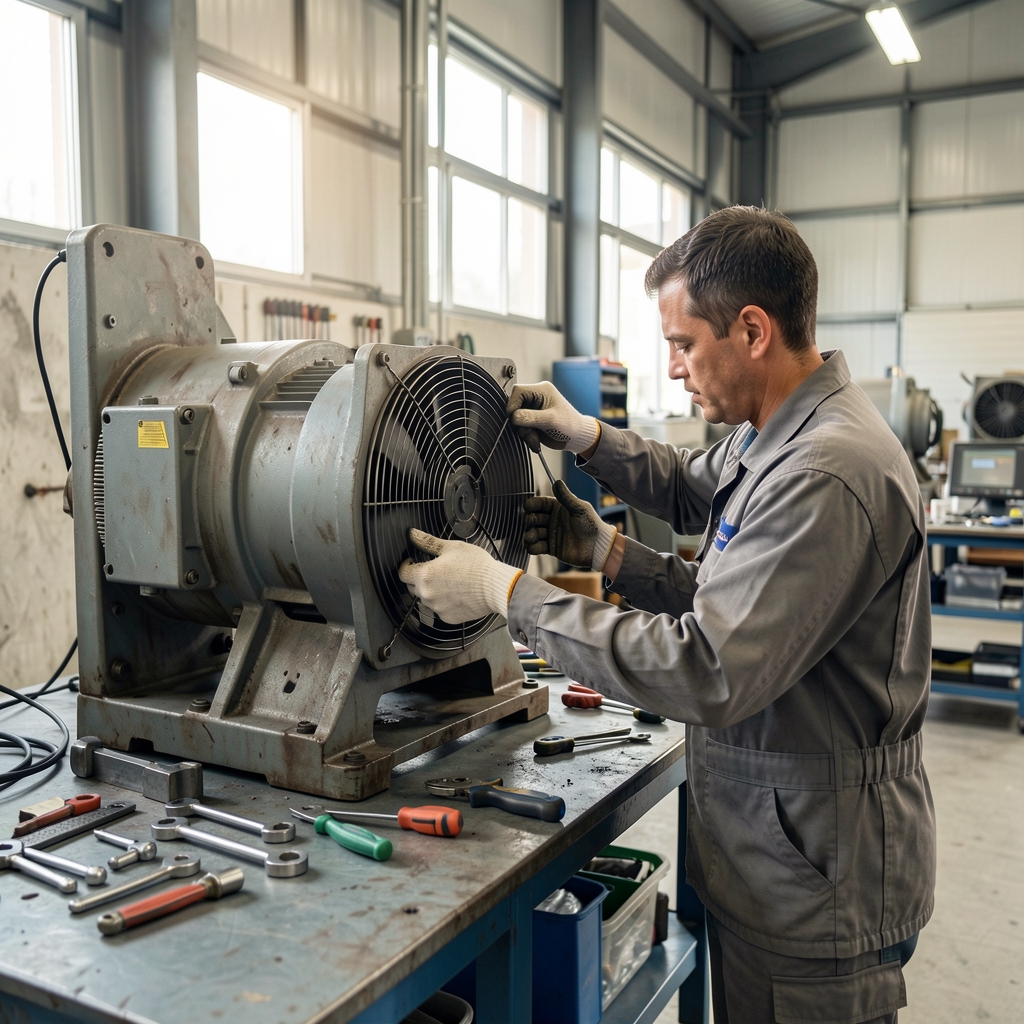
Computational mining is an operating discipline involving chips, power delivery, networking, thermal management and maintenance. A machine can be technically capable while still being difficult to run responsibly.
Hovolo describes hardware through its surrounding conditions rather than treating a specification sheet as a complete operating plan.
What algorithm, workload and measurement unit does the device support? A headline figure has meaning only with its test conditions.
What electrical input, distribution equipment and operating interval are involved? Device consumption is not the same as facility demand.
How is heat moved, monitored and serviced? Ambient conditions and maintenance affect the operating envelope.
| Specification | What it describes | What it leaves open |
|---|---|---|
| Hashrate | Estimated computational work under a defined test | Real operating variation, downtime and workload mix |
| Power draw | Electrical demand at a stated boundary | Cooling, networking, distribution and facility overhead |
| Noise and heat | Environmental conditions around the device | Room design, neighbour impact and long-term service needs |
| Firmware | Software controlling device behaviour | Update process, security practice and compatibility |
“A machine specification is the beginning of an operating question, not the end of one.”
Hovolo's hardware articles are educational. They do not certify a device, assess a facility or advise readers on spending or deployment.
Maintenance records help explain whether a device's observed behaviour is stable, exceptional or linked to a recent intervention. Useful records include dates, symptoms, parts changed, firmware versions and test conditions.
Ask where a measurement was taken, how long the system operated and which support systems were excluded. Those questions create a more honest comparison than a single headline number.
Hovolo is published from 35-1, Samseong-dong, Gangnam-gu, Seoul 06164, Republic of Korea. Phone: +82 10-3847-5912.