Electrical supply
Availability, voltage, distribution equipment and contractual conditions shape the facility's operating envelope.
INFRASTRUCTURE / FIELD GUIDE
Digital currency infrastructure sits inside real electrical systems. Grid conditions, contracts, cooling design and demand response can influence how a facility behaves, regardless of the underlying protocol.
Energy analysis should describe boundaries carefully: a device, a rack, a building and a regional grid answer different questions.
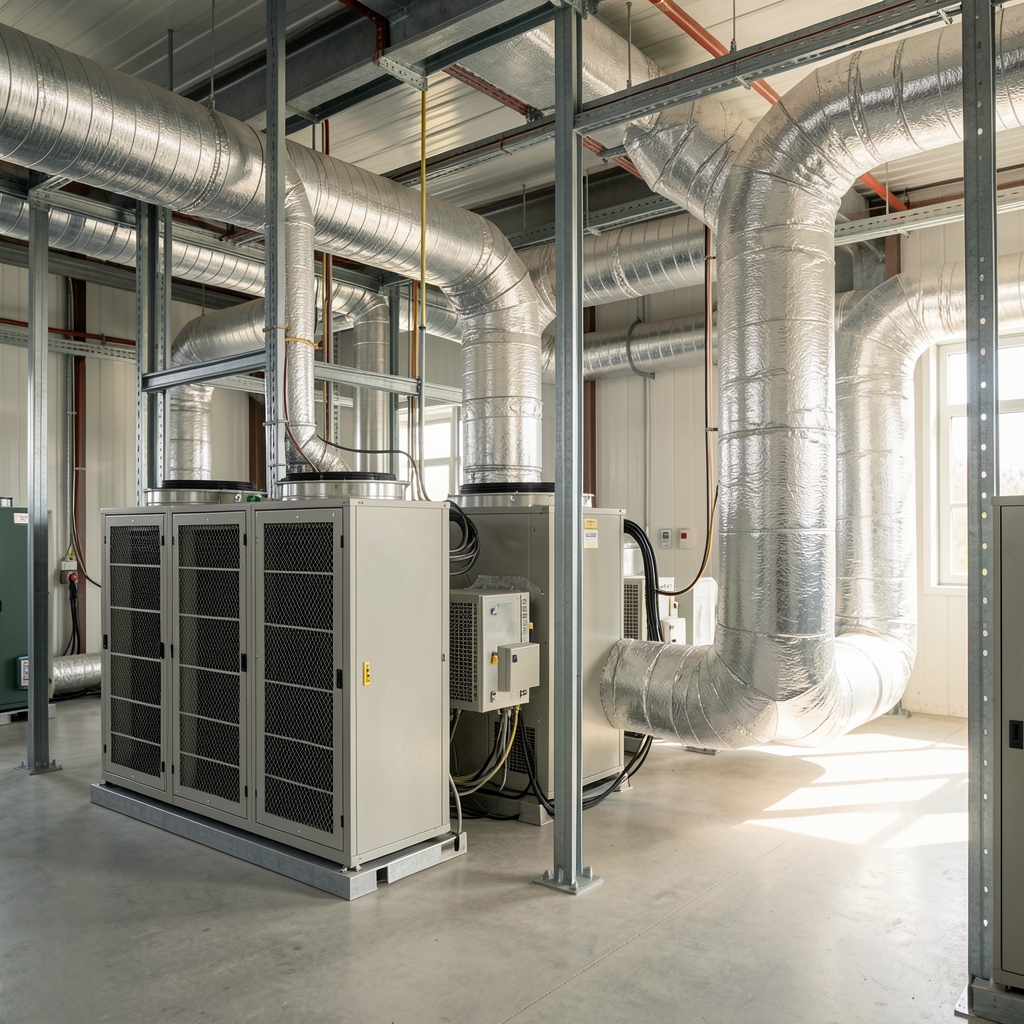
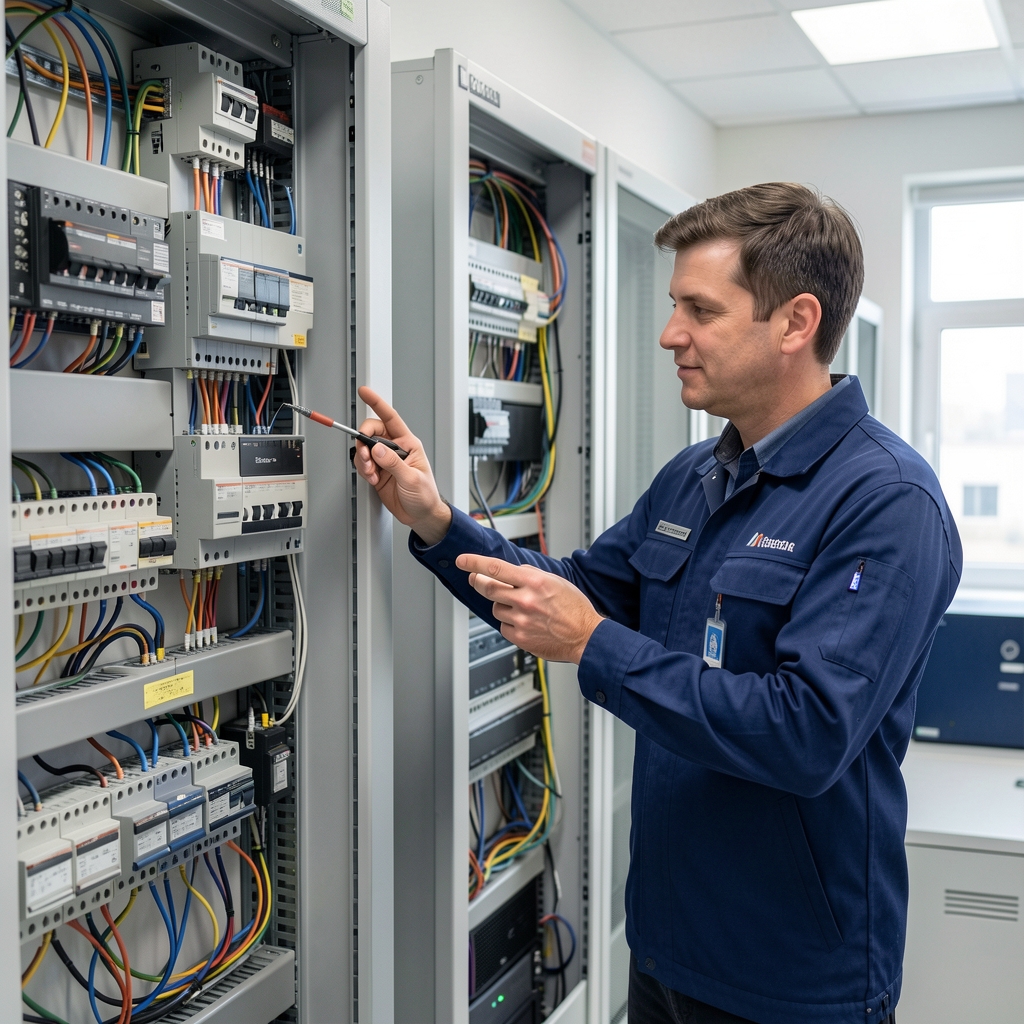
Availability, voltage, distribution equipment and contractual conditions shape the facility's operating envelope.
Airflow, heat rejection, ambient conditions and maintenance schedules connect electrical input to equipment behaviour.
Meter location, sampling interval and excluded loads determine what a reported figure actually represents.
| Boundary | Includes | Question it can answer |
|---|---|---|
| Component | Chip, board or machine consumption | How does a component behave under defined load? |
| Rack | Machines, network equipment and rack distribution | What capacity and heat load reaches the rack? |
| Facility | Computing, cooling, lighting and support systems | What is the operating demand of the site? |
| Grid context | Generation mix, demand pattern and local conditions | What external system surrounds the facility? |
“An energy number is only as clear as the boundary drawn around it.”
Hovolo discusses infrastructure for educational purposes. It does not evaluate a site, arrange power, certify equipment or provide a procurement recommendation.
Cooling converts electrical input into a thermal management requirement. Excluding it can make a facility comparison appear more direct than it is.
It provides context, not a complete operational measurement. Facility-specific equipment, contracts and timing still matter.
Hovolo is based at 35-1, Samseong-dong, Gangnam-gu, Seoul 06164, Republic of Korea. Contact: +82 10-3847-5912.