Condition
Describe the setting, time, equipment boundary and relevant environmental detail. Avoid implying that one location represents an entire sector.
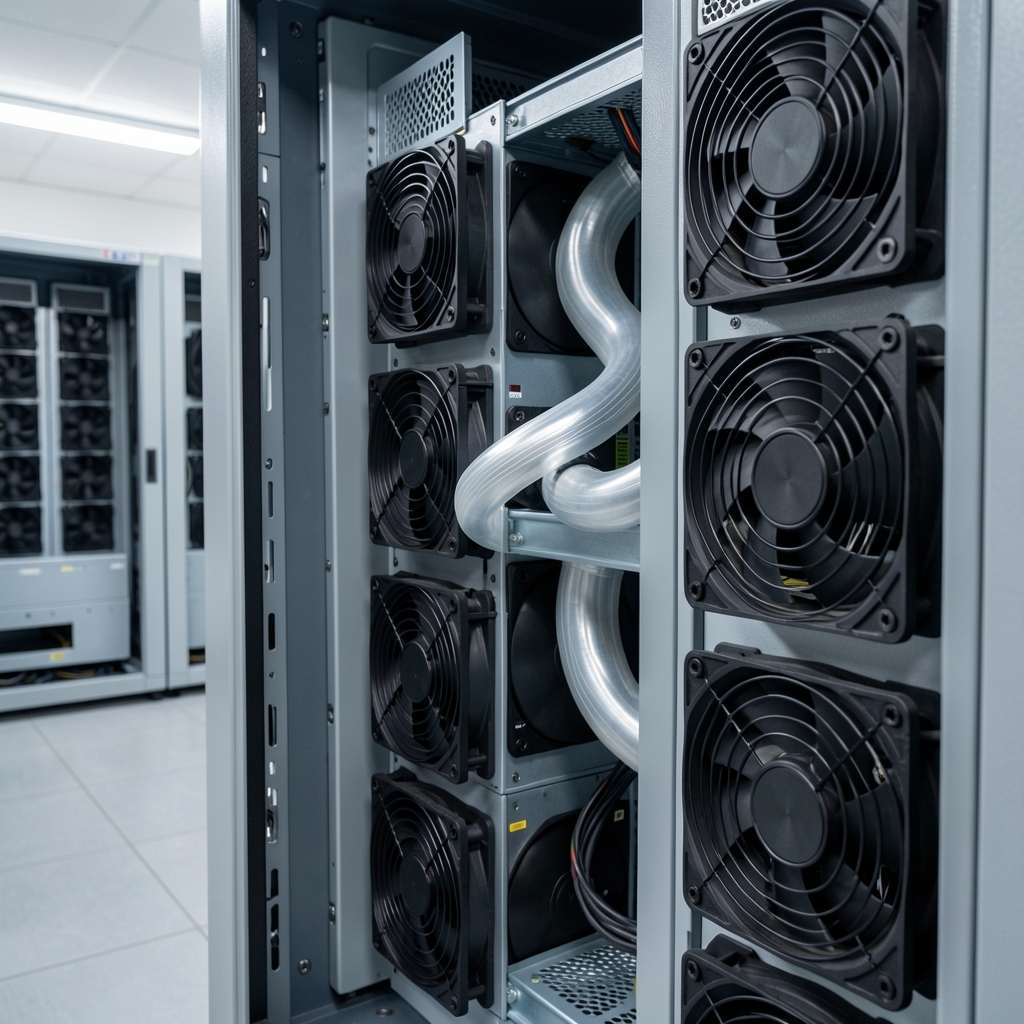
FIELD NOTES / OBSERVATION
Field notes are shorter than research guides, but they remain structured observations. They focus on a visible operational question such as cooling, monitoring, maintenance, signing safety or documentation quality.
Each note states what was observed, what was inferred and what remains unknown. That distinction helps readers use a note as a prompt for further investigation rather than as a universal conclusion.
Describe the setting, time, equipment boundary and relevant environmental detail. Avoid implying that one location represents an entire sector.
Explain why the observed detail may matter. Airflow, key isolation and monitoring each connect an operational choice to a system outcome.
State what was not measured, independently verified or observed over a sufficient period. Limits are part of the note, not an afterthought.
| Observation | Reasonable interpretation | Not established by itself |
|---|---|---|
| Fans operate at a high setting | Thermal load or control settings may require attention | Exact energy use or long-term equipment life |
| A dashboard shows missed attestations | Availability or connectivity deserves investigation | The cause, frequency or financial consequence |
| A maintenance log is incomplete | Operational history is harder to reconstruct | That maintenance did not occur |
| A policy uses broad wording | More precise source checking is needed | How the rule is applied in every case |
“A useful field note makes the next question easier to ask.”
Hovolo publishes observations for education and technical literacy. It does not turn a limited observation into a project recommendation or financial claim.
If a note raises a question about protocol rules, continue to the protocol research desk. If it concerns facility design, compare the energy systems guide. If it concerns language or evidence, consult the methodology page.
Questions and corrections can be sent to 35-1, Samseong-dong, Gangnam-gu, Seoul 06164, Republic of Korea, phone +82 10-3847-5912.